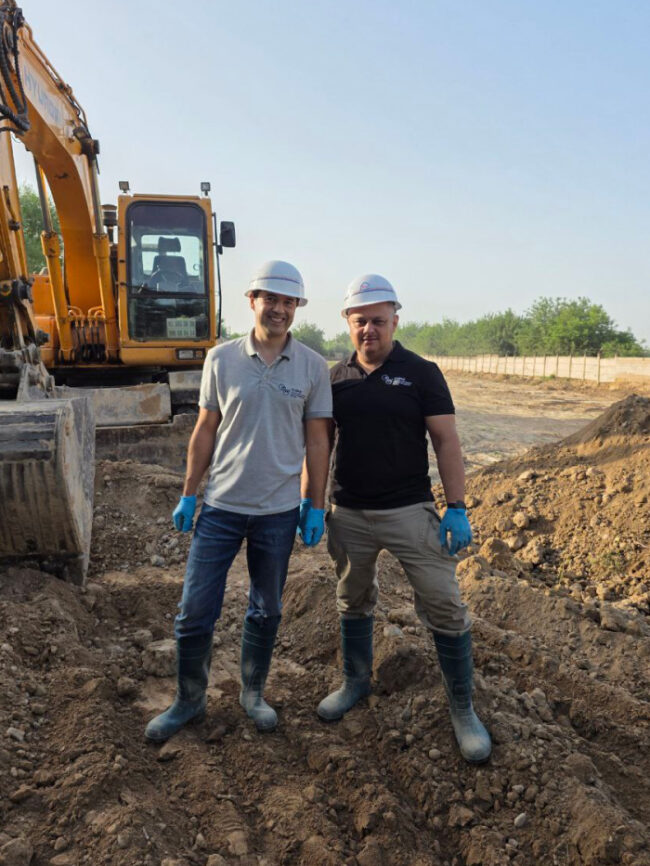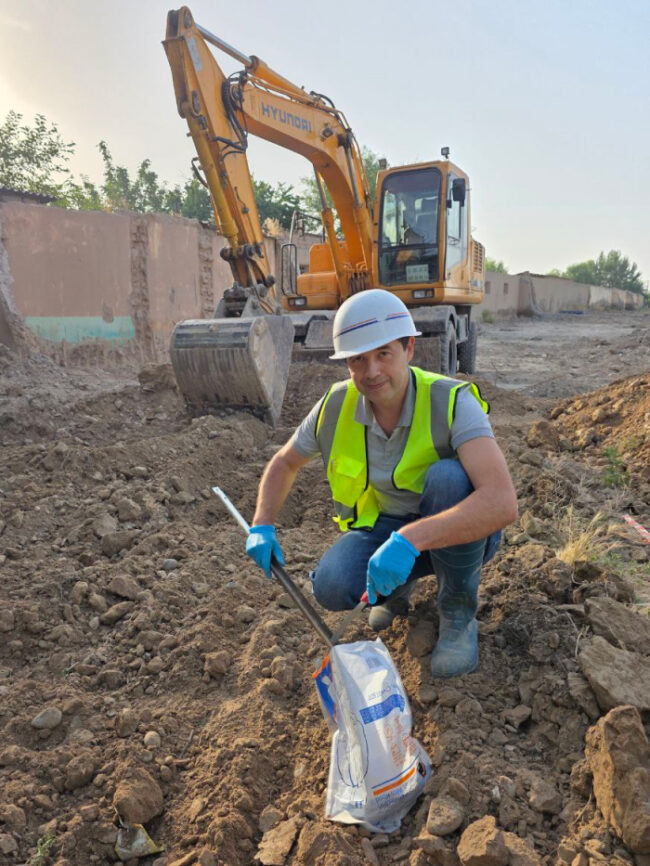
In April–May 2025, Peshsaf continued its remediation work at the former pesticide storage site in Settlement #1, as part of a regional FAO initiative. The activities were carried out in collaboration with international experts, including FAO consultant Boudewijn Fokke and EHPMI President Petr Sharov, as well as representatives from the Stockholm Convention Centre.
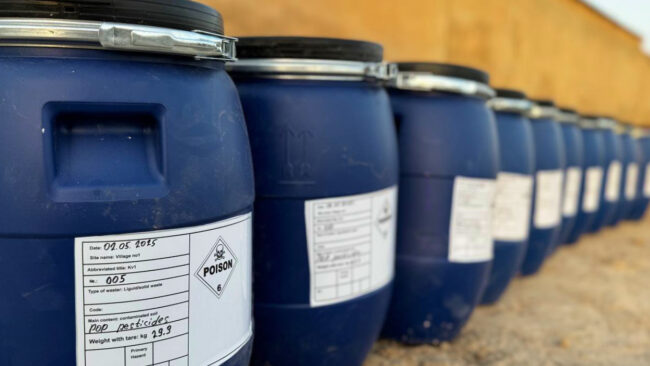
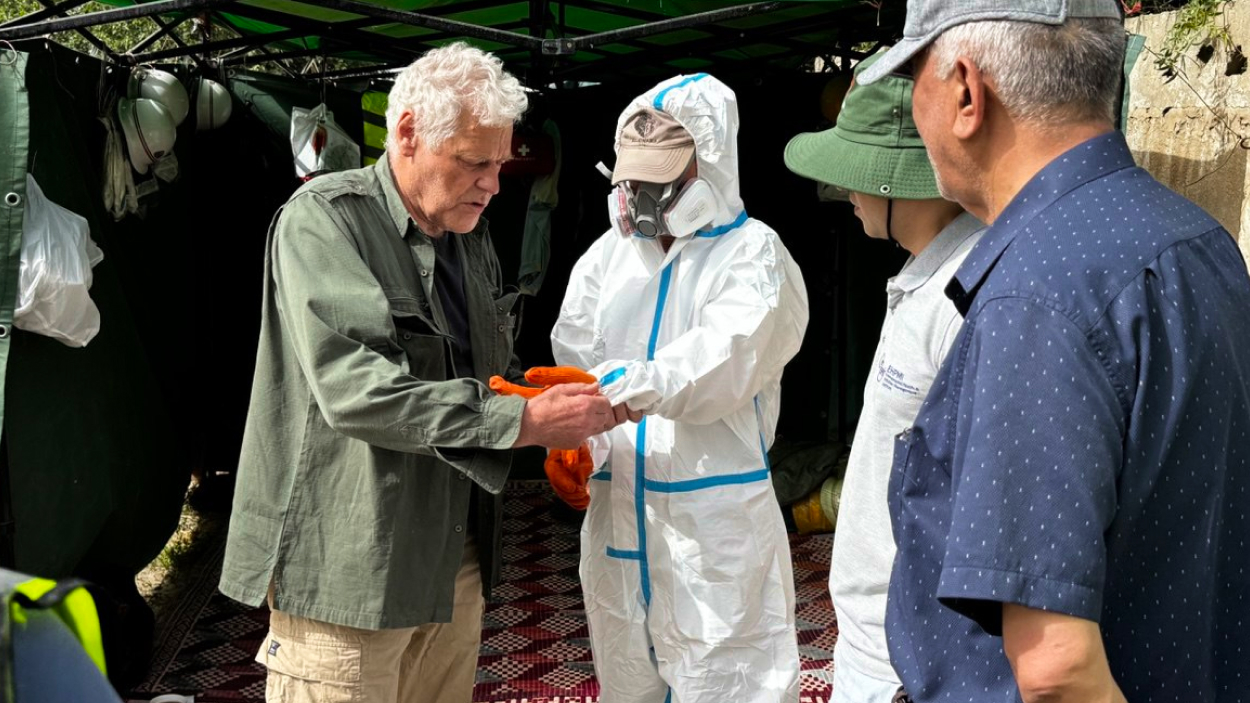
As part of the ongoing cleanup, the team visited the Vakhsh Toxic Waste Storage (Polygon) to inspect and verify the volumes and condition of contaminated materials previously transported from the site. In parallel, a health and safety training was conducted on-site for workers handling hazardous waste, ensuring that all procedures aligned with international best practices.
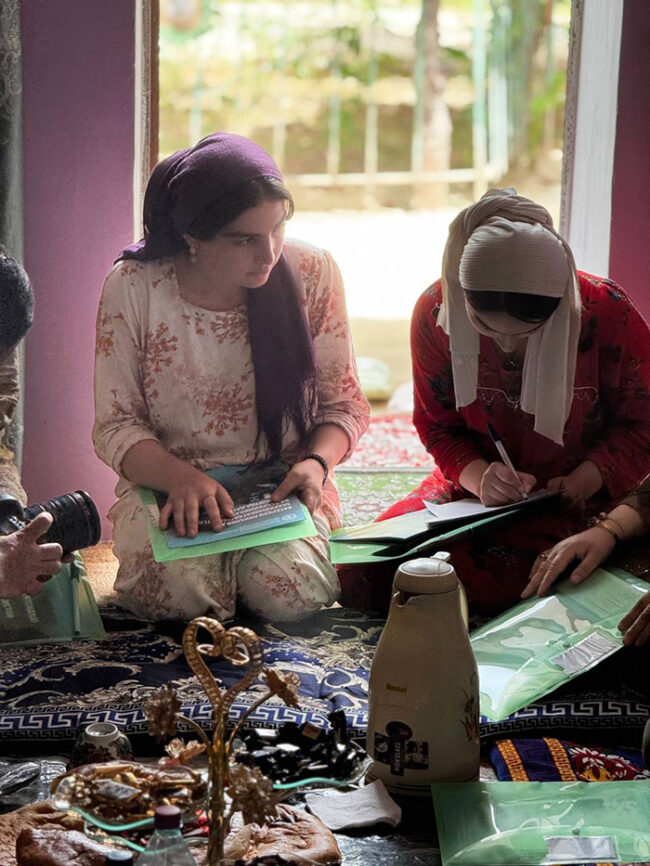
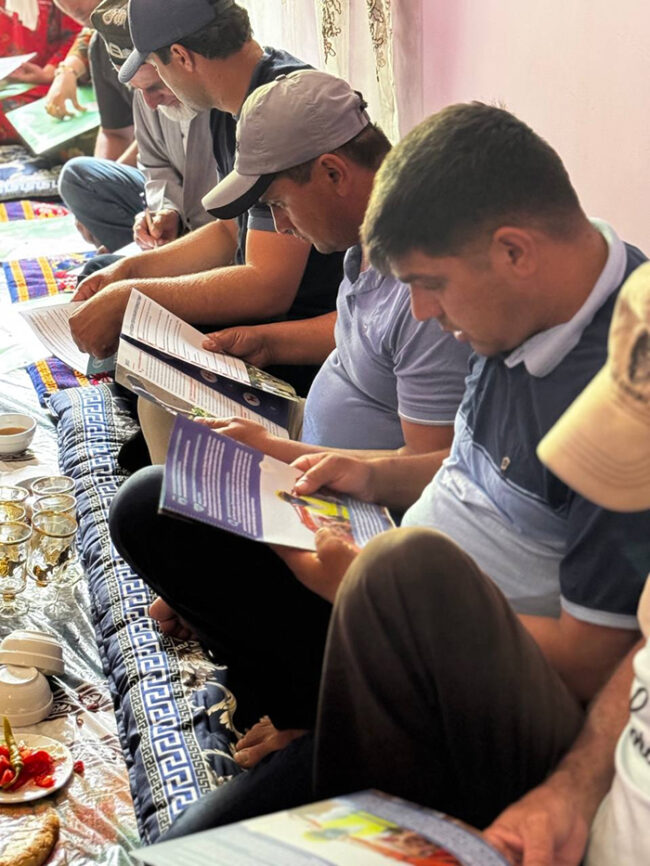
Community outreach remained a priority. A local meeting was held to inform residents about the dangers of obsolete pesticides and to explain the remediation process. Informational materials in Tajik were distributed, and the response from the community was highly positive. The cleanup efforts also drew the attention of national media, with coverage coordinated during a visit by FAO leadership and international journalists.
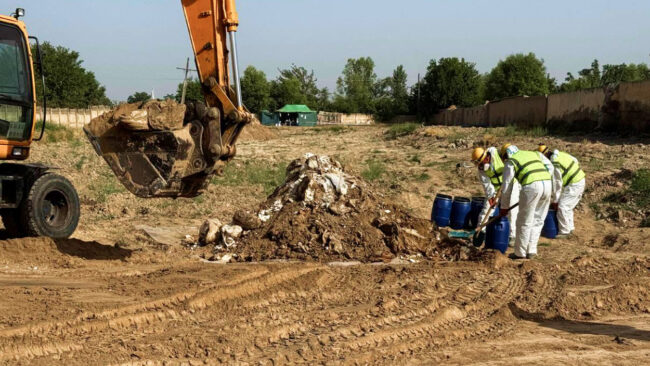
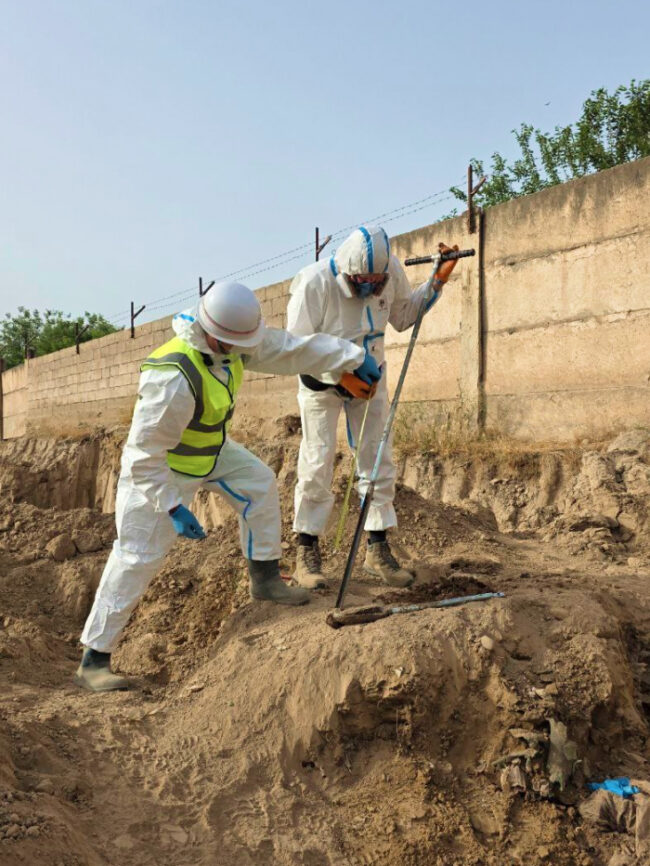
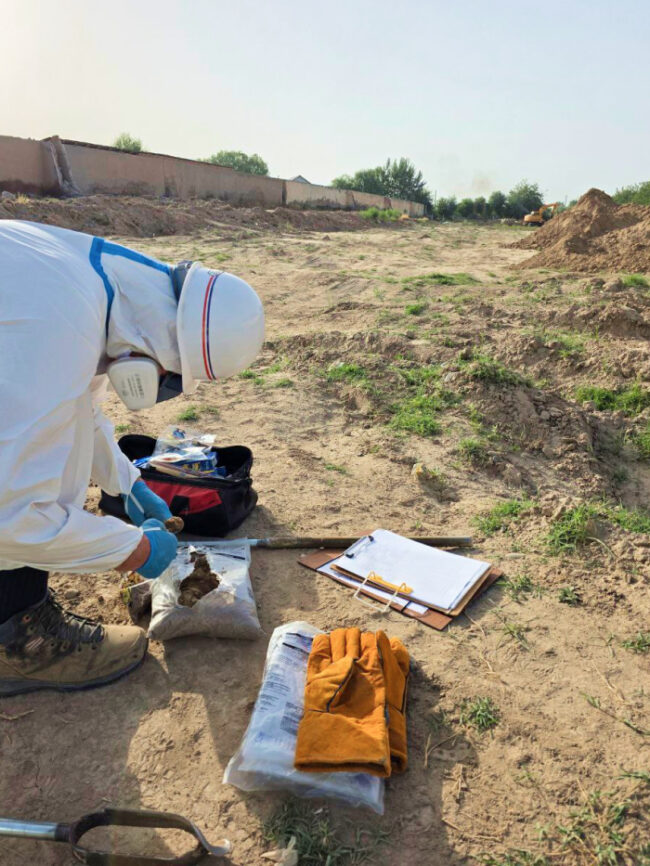
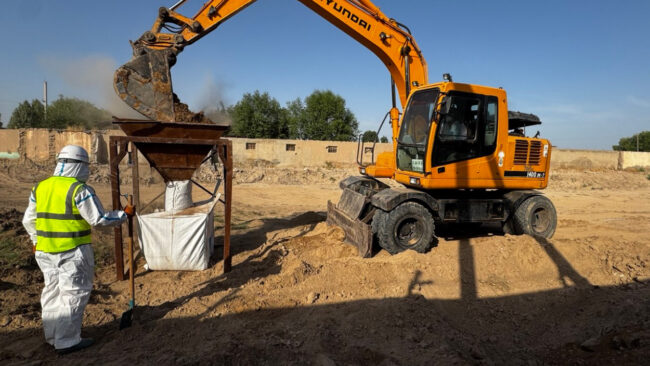
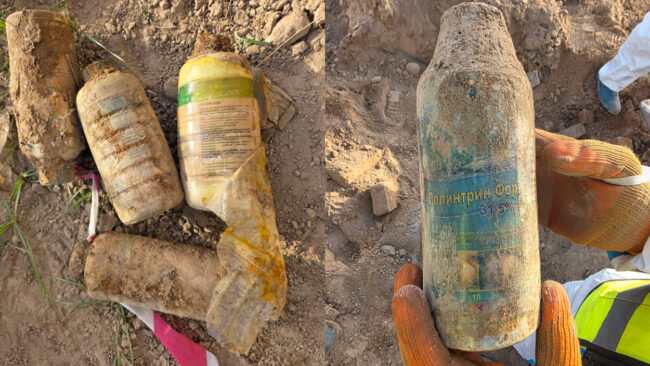
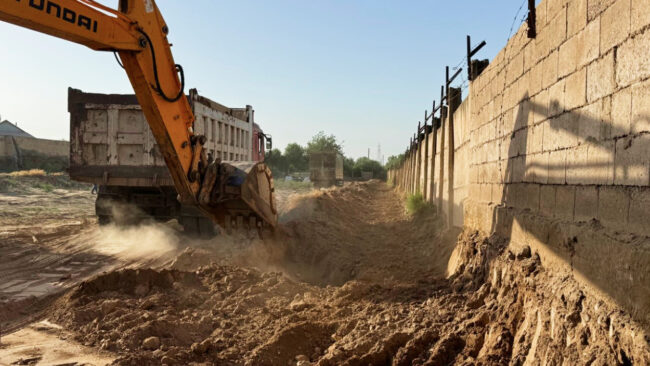
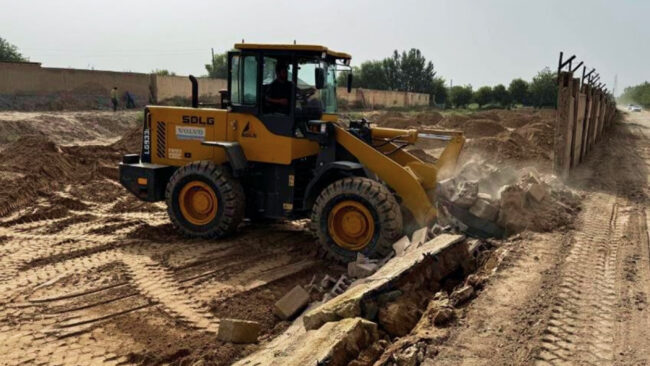
Field operations during this period included excavation and removal of pesticide-contaminated soil and waste. Unexpectedly, pesticides in Zone 4 were discovered at shallower depths than previously thought, prompting immediate action to prevent future risks. Due to extreme daytime temperatures, part of the packaging work was moved to the Vakhsh facility, where safer working conditions could be ensured.
These actions mark a significant step forward in addressing the legacy of obsolete pesticides and reducing environmental and health risks in the region.