
- Project dates
- 1 year
- People at risk
- 2,800
- Pollution source
- Mining wastes/Pb, Cd, As,
- Implementers
- EHPMI, Ekois-Bishkek, Ministry of Natural Resources, Ecology and Technical Supervision, Ministry of Emergency Situations
- Budget
- $50,000
Problem Description
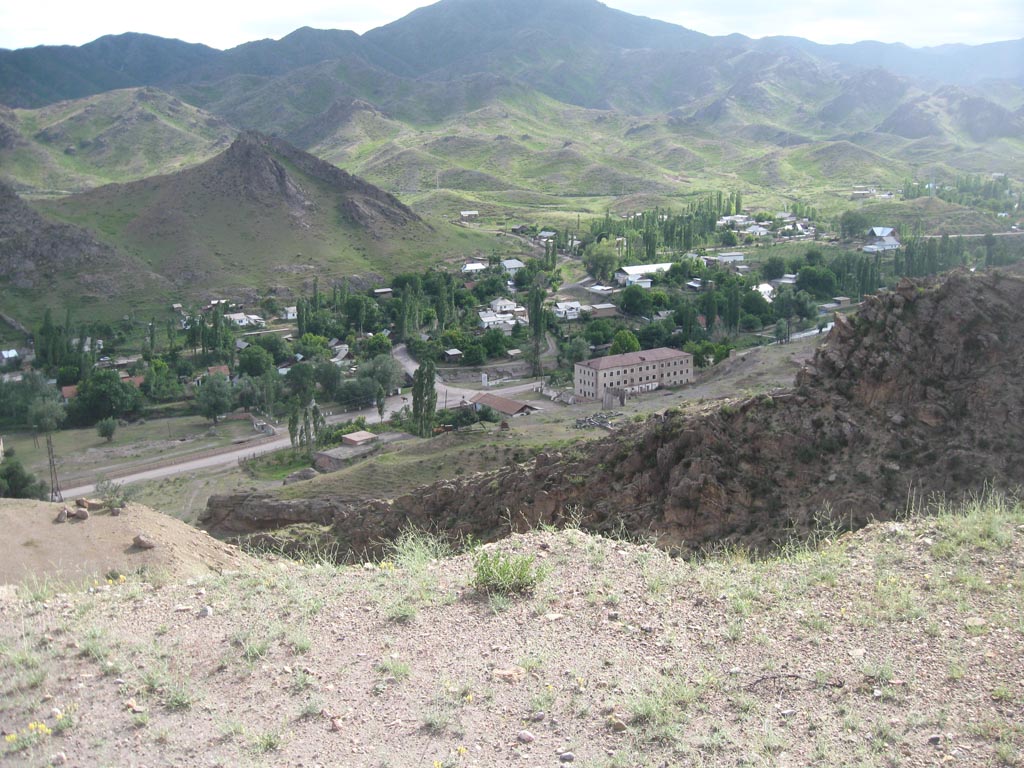
Kyrgyzstan was one of the main suppliers of uranium, rare earth elements and non-ferrous metals such as lead, zinc, antimony and mercury in the former Soviet Union. As a result of many years of mining and processing of radioactive and polymetallic ores, a huge amount of wastes has accumulated near mines of the Tian Shan Mountains region. After the collapse of the Soviet Union, the remediation of tailings and rehabilitation of contaminated territories was stopped in Kyrgyzstan. Currently, these wastes are a threat to the environment and the health of people living near the toxic tailings. On of such locations is the town Sumsar in West Kyrgyzstan.
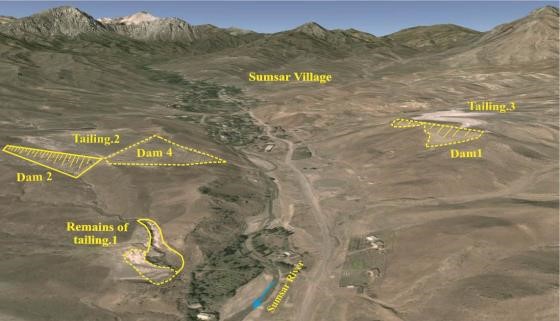
Sumsar is situated in Chatkal District of Jalal-Abad Region of Kyrgyzstan. The population of Sumsar is about 2,800 people. During the Soviet time, Sumsar company operated a lead and zinc mine near the village. The company left three huge tailings with toxic wastes. The volume of accumulated wastes in the tailings is estimated 2.65 million m3 and covers the area of 265 thousand m2.
In the spring of 1994, a part of the retaining dam of tailing No. 1 collapsed because of the heavy rains. Most of the wastes were washed off into the Sumsar River and caused transboundary contamination by reaching densely populated areas of the Fergana Valley in neighboring Uzbekistan.
Children in Sumsar are at risk of lead poisoning because of contamination of soil, dust, and water.
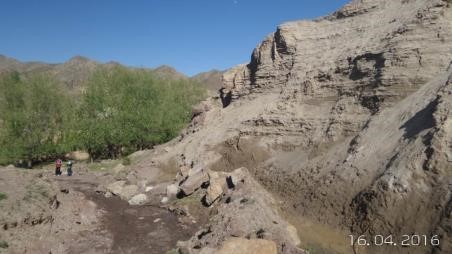
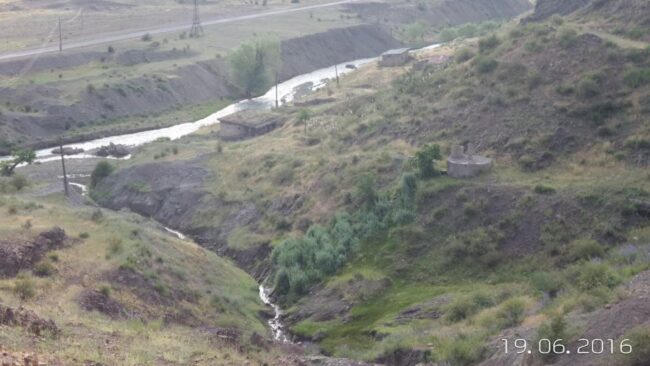
In 2016 limited blood lead testing conducted by Ekois revealed that 62% of children had blood lead concentrations above 5 ug/dl, which indicates elevated risk.

A big part of the problem is that many local residents do not have access to tap water and use water from Sumsar River for drinking.
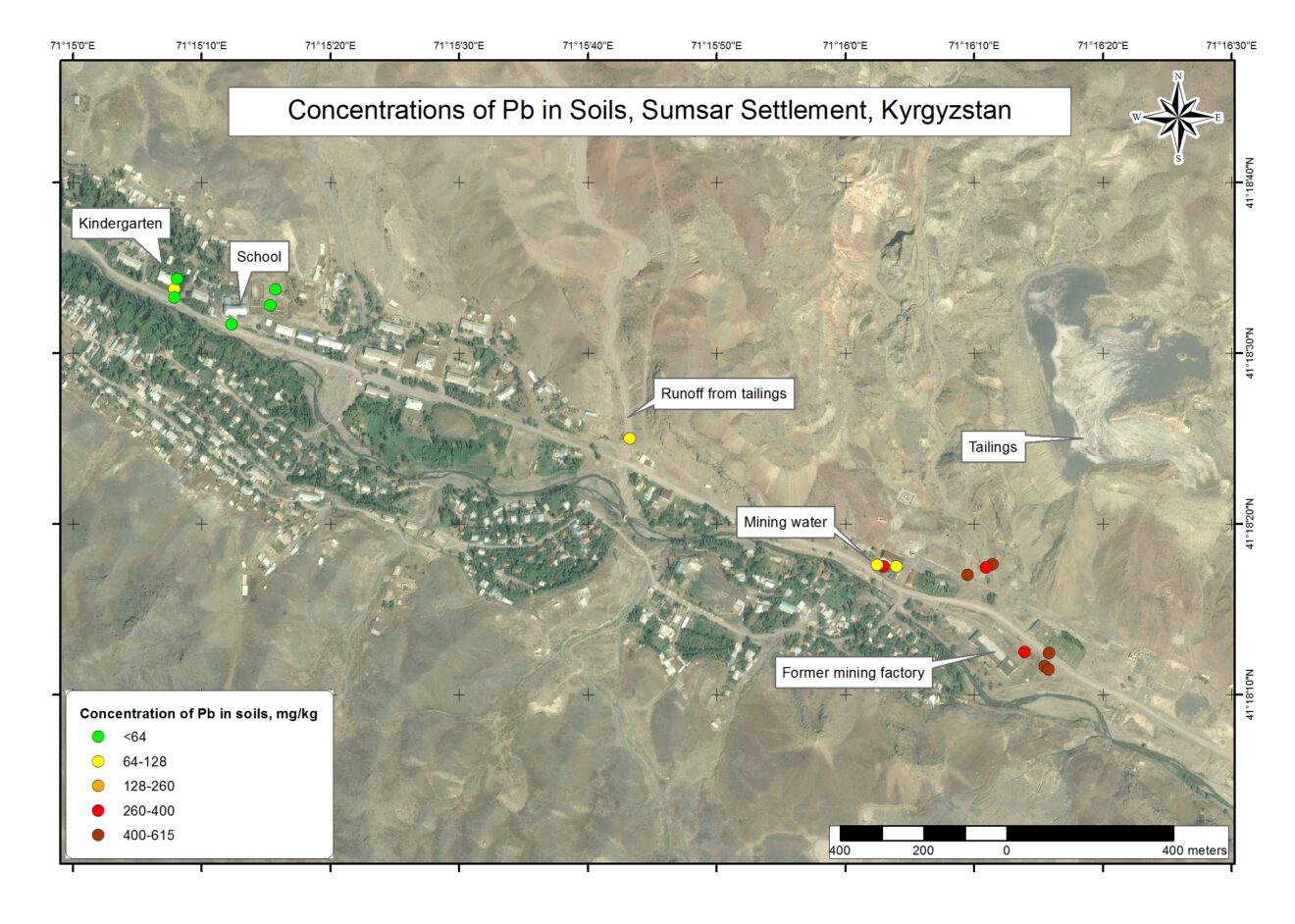
In 1998, the prime ministers of the Central Asian Economic Community have approved an action plan for the joint rehabilitation of tailings and rock dumps in transboundary territories. In 2003, the Minister for Emergency Situations of the Kyrgyz Republic approved the “Program of Actions for Solving Environmental Problems and Project Proposals for Tailings and Rock Dumps Located on the Territory of the Kyrgyz Republic”. According to this Program, the tailings in the Sumsar Village are included in the list of priority areas for rehabilitation. However, lack of resources prevents full implementation of these programs. By now only the tailings #2 was properly capped.
Proposed Solutions/ Project Objectives:
- Detailed environmental site assessment
- Planning relocation/safeguarding of wastes in Tailings #1 and #3, including:
- Identification and selection of priority alternatives
- Feasibility Study
- Environmental Impact Assessment
- Medical Monitoring
- Public Awareness
The next stage of the project will be implementation of the long term technical solutions to prevent further contamination of the area by the waste materials from the tailings.