
On 2-9th of August, 2026 Human Health Institute, EHPMI, and TIFO conducted a field assessment of soil contamination with heavy metals in three industrial cities of East Kazakhstan: Oskemen, Ridder, and Altai. This work was done as part of Partnership for Environmental Health (PEH) initiative of the three organizations and was supported by The Sigrid Rausing Trust.
Eastern Kazakhstan has a long history of mining, ore processing, heavy metal smelting, and metallurgical production, particularly in the cities of Oskemen, Ridder, and Altai, which are located within the metal-rich Rudny Altai region. Previous studies in the region have documented elevated concentrations of lead (Pb), cadmium (Cd), zinc (Zn), and copper (Cu) in soils, surface waters, sediments, vegetation, and groundwater associated with mining and industrial activities. Groundwater investigations in Oskemen have also identified contamination from historical industrial and waste disposal sites.
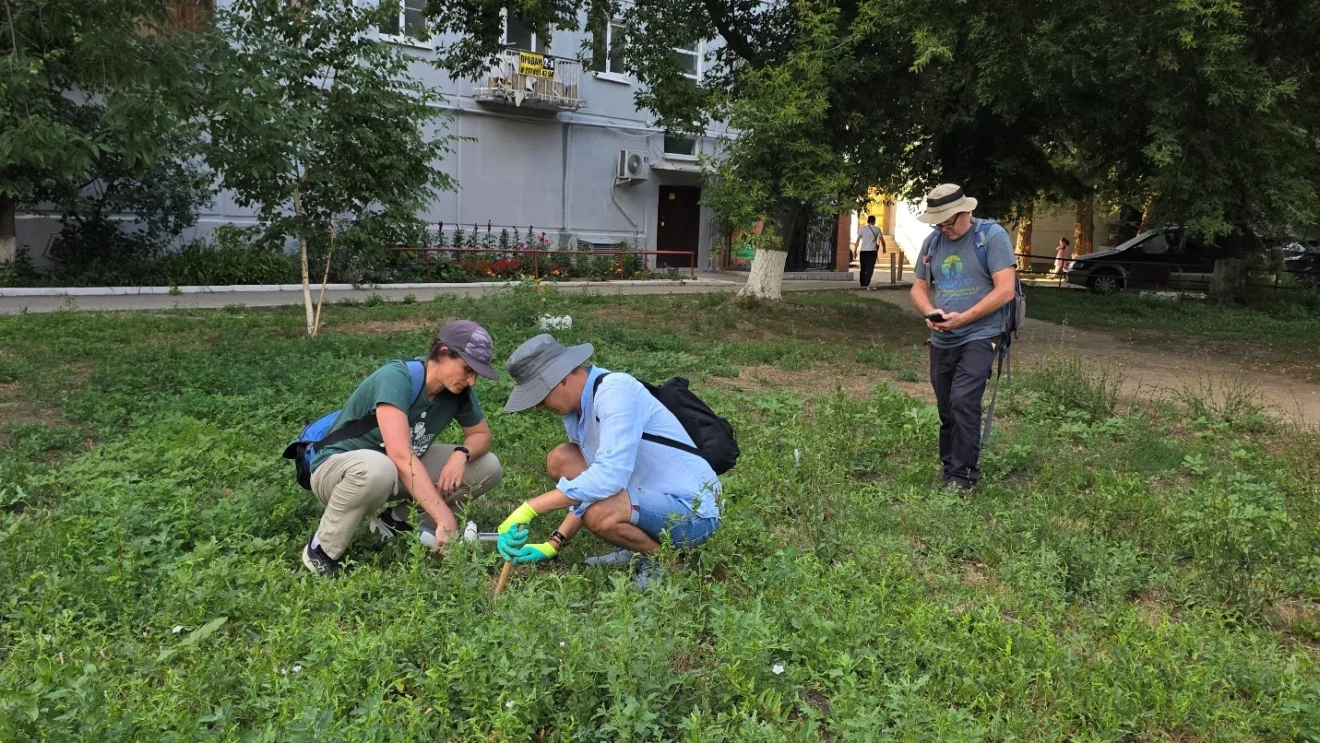
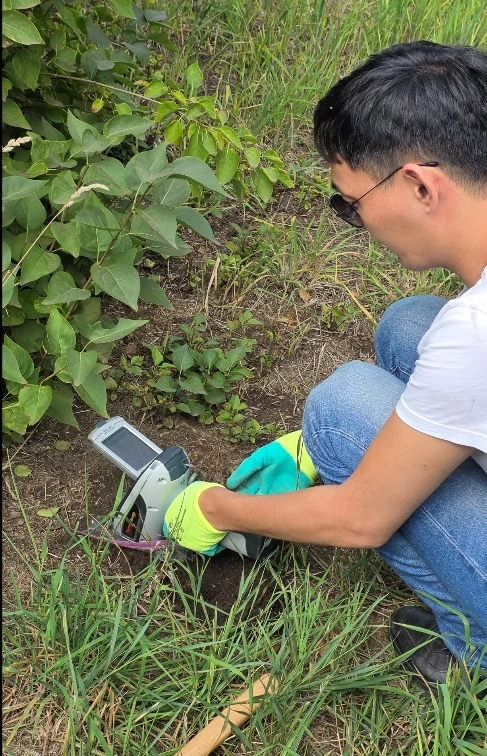
The PEH team conducted preliminary assessment of soil contamination in the three locations to better understand the severity of contamination and potential risks to the communities. The main survey method was to use portable XRF analyzers to measure concentrations of lead, arsenic, and other heavy metals in the top layer of soil. Because the soil could have been mixed the research team took readings at the surface and at depths of 3 and 10 cm. During previous surveys XRF results proved very reliable for collection of soil lead contamination data. However, for quality control purposes, the research team collected ex-situ samples for confirmatory analysis by a laboratory in Almaty.
Sample locations and other information were logged using a recently developed by EHPMI Android app “EHPMI-sampling.” EHPMI-sampling app was previously successfully tested during a study in Georgia.
The survey and its methods were discussed with the Ministry of Health and Ministry of Ecology (MoE) of Kazakhstan. Both ministries were interested in collaboration with PEH to collect more information about led health risks in industrial cities of Kazakhstan. In Oskemen representatives of Human Health Institute, EHPMI, and TIFO met with provincial Department of Ecology of MoE and Sanitary and Epidemiologic Service of MoH. At the meeting the research team proposed the methods and objectives of the survey. Both agencies expressed interest in receiving the survey results which could be used for panning actions to improve environmental situation in East Kazakhstan. In Ridder and Altai there were meetings with vice-mayors, who were also interested in the study and concerned about problems of environmental pollution. In Ridder and Altai representatives of local administration joined the research team to observe the survey process.

Altai (until 2019 known as Zyryanovsk) is a mining town in East Kazakhstan, administrative center of the Altai District. It was established in 1791 after a local resident G. G. Zyrianov found a complex ore deposit. Today Altai is a mining town with a population of 40 thousand people. In Altai there are two mines (Maleevsky and Grekhovsky) and a concentrating factory which produces lead and zinc concentrate. The ore concentrate is transported to a smelter in Oskemen.
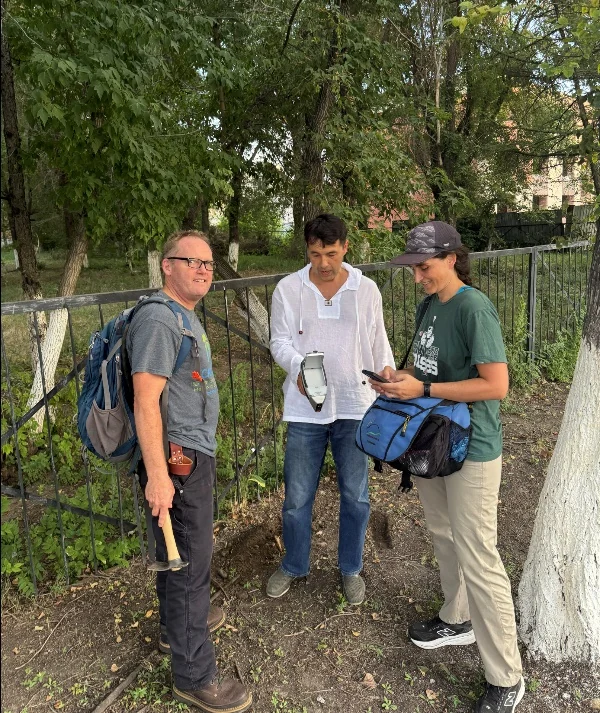
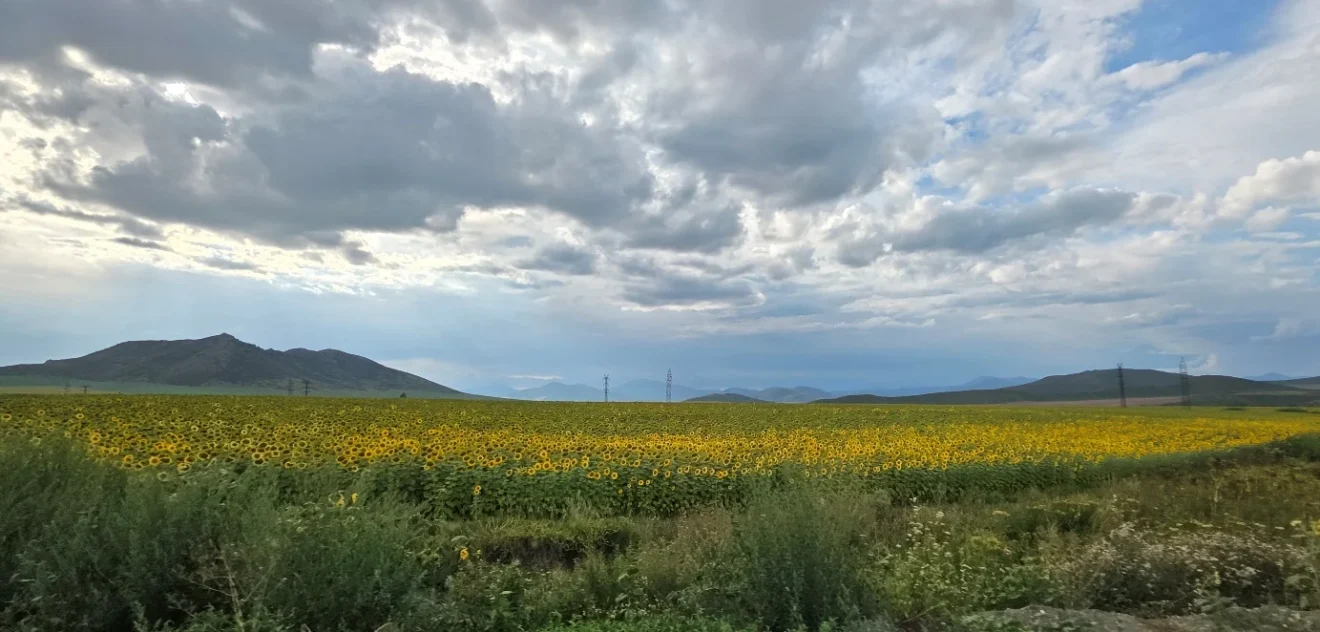
Soil was tested in 63 locations in different parts of town. The observed levels were above the United States Regional Screening level (RSL) of 200 ppm and corresponded to the contamination category “Extremely Dangerous” according to the Kazakhstan legislation. The initial conclusion is that the streets of the city were contaminated by the mine waste materials that were used for backfilling. The city administration indicated that such practice was stopped long time ago. After more detailed data analysis PEH will share an assessment report. It is likely that the report will include a recommendation to monitor blood lead levels (BLL) of children in town and investigate cases of elevated BLLs.
Oskemen is the capital of East Kazakhstan. The city was founded in 1720 at the confluence of the Irtysh and Ulba rivers as a fort and trading post named Ust-Kamennaya. Today it is an industrial city with population over 400 thousand people. One of the main city industries is production of lead and zinc by the Kaztsink smelter.
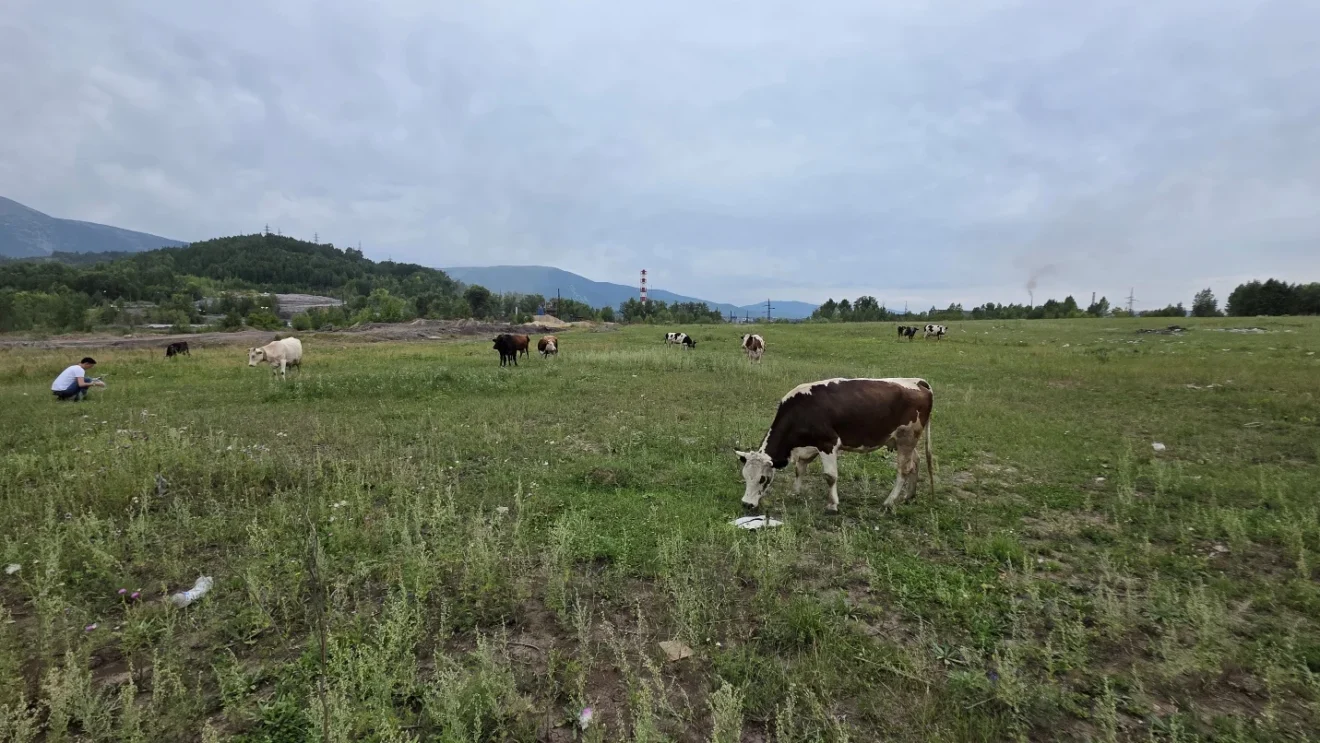
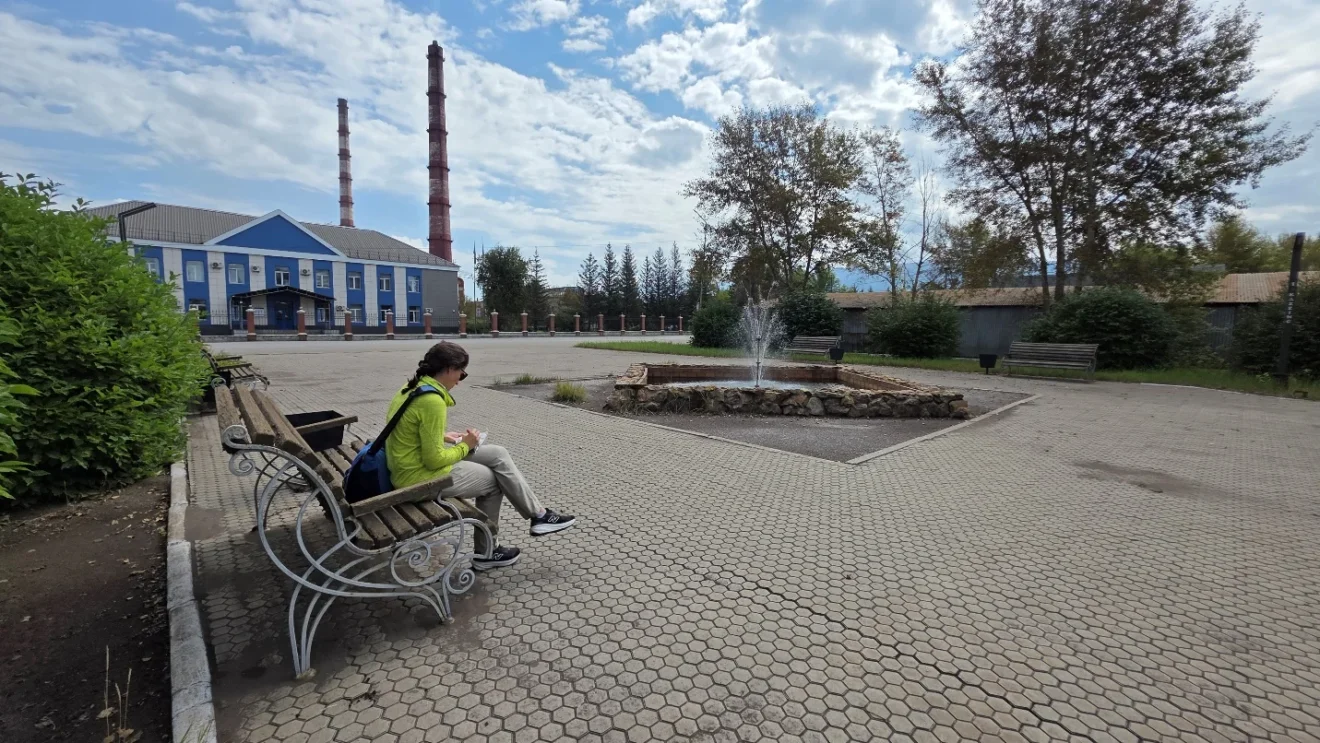
The initial survey results show that stacks of lead and zinc smelter are the main sources of contamination. Soil was tested in 186 locations in different parts of town. The observed levels soil contamination levels in residential areas and playgrounds within 500 m from industrial zone were much higher than the United States RSL of 200 ppm and corresponded to the contamination category “Environmental Disaster” according to the Kazakhstan legislation. Concentrations of lead in soil decrease with the distance from the smelter stacks. Evidence of lower levels of contamination was found almost anywhere in Oskemen. Many citizens complained of emissions from the smelter and difficulty to breathe.

Ridder was the third assessed city. Ridder was founded in 1786 when 9 troops of men were sent to the Altai region to search for natural resource deposits. On May 31, 1786 an officer, Philip Ridder, found a rich deposit containing gold, silver and other metals. Today Ridder is a mining town with a population of 50,000 people. In recent years Ridder became a popular mountain skiing resort.
The main active source of pollution in Ridder is the zinc smelter located near the most densely populated part of town. There is also a legacy source of pollution – former lead smelter which was demolished in recent years. Within 1.5 km from the zinc smelter and former lead smelter soil lead concentrations were much higher than the United States RSL of 200 ppm and corresponded to the contamination category “Environmental Disaster” according to the Kazakhstan legislation. Local residents complained of the air quality. Similarly to Oskemen in Ridder it is necessary to solve the problem of air pollution and initiate a long-term program of soil remediation.
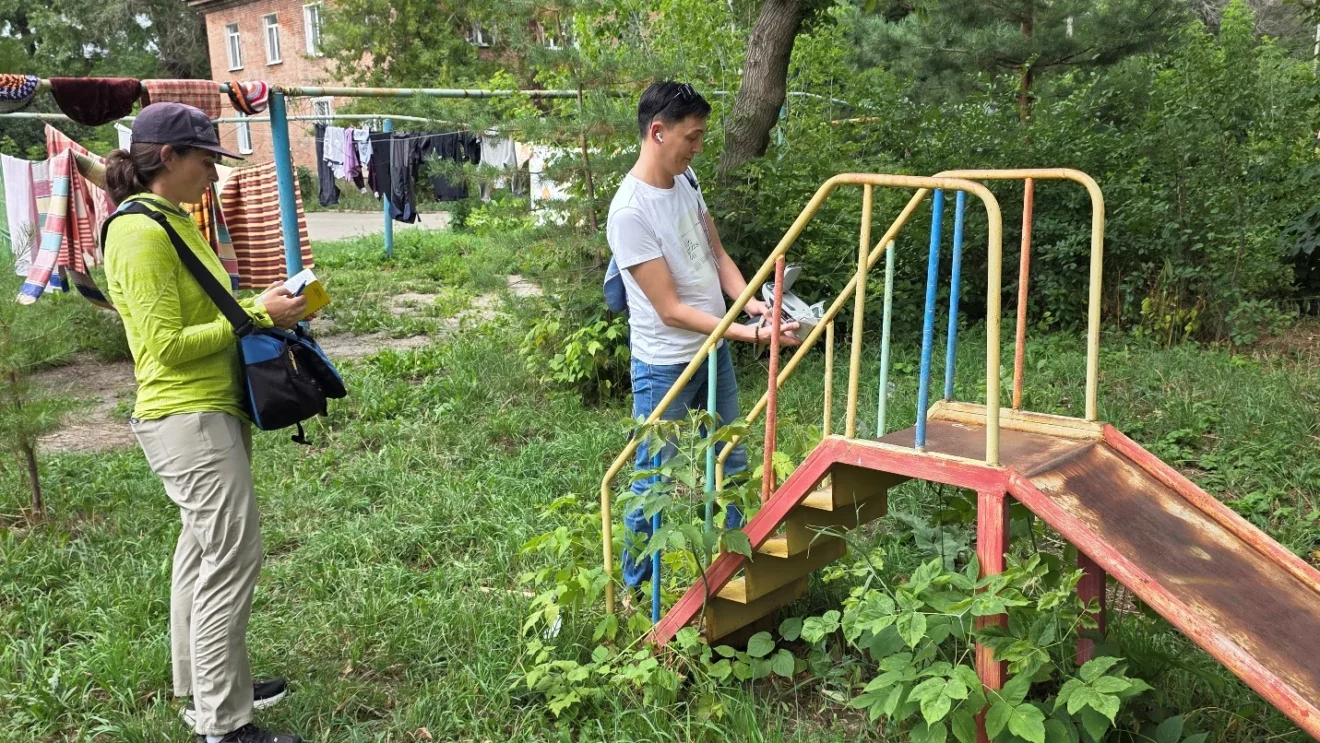
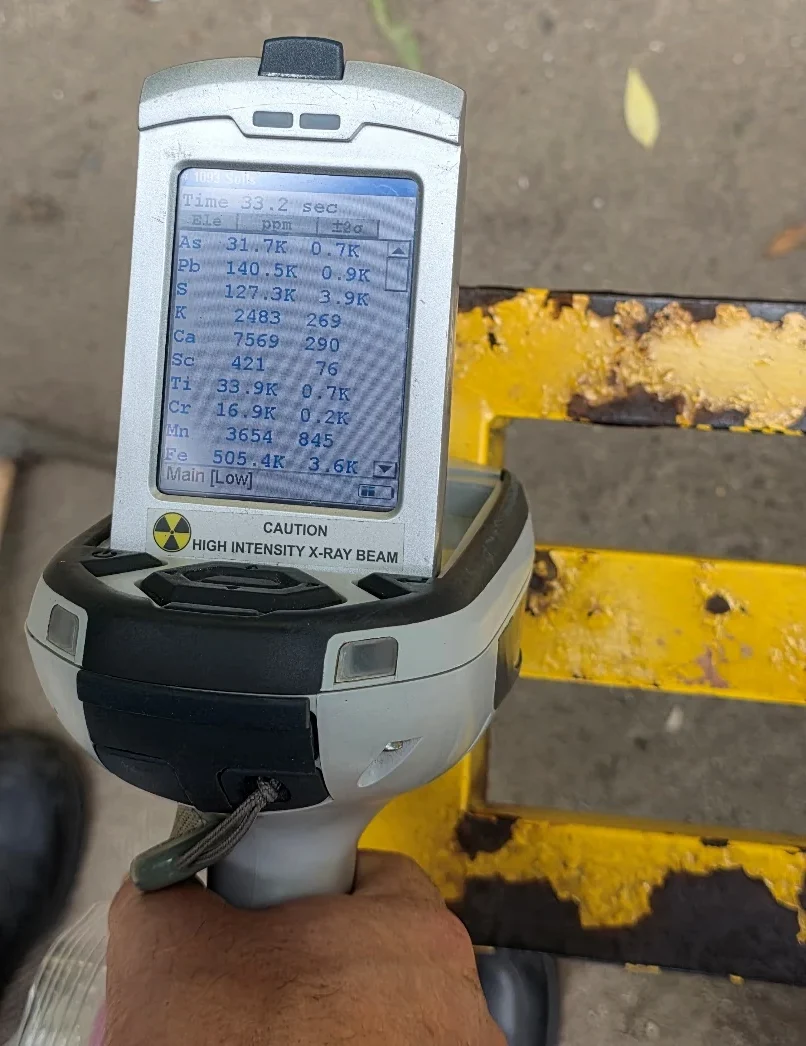
Besides soils contamination the research team found that lead based paint was often used to paint equipment of playgrounds in all three cities. It could be another factor increasing the risk of lead poisoning of children.
The results of the assessments will be shared with the government agencies, municipalities and interested experts. The assessment will serve as the basis for the development of a plan to clean up the contaminated areas and make the cities safe for people.
Human Health Institute, EHPMI, and TIFO thank the East Kazakhstan Department of Ecology, Sanitary and Epidemiologic Service, and municipalities of Ridder and Altai for support in planning and implementing the survey. The research team also thanks Kyrgyzstan non-governmental organization Ekois for participating in field data collection.