Contact us

What we do

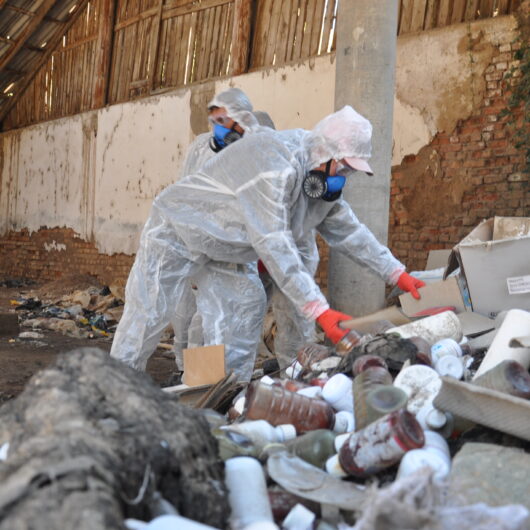
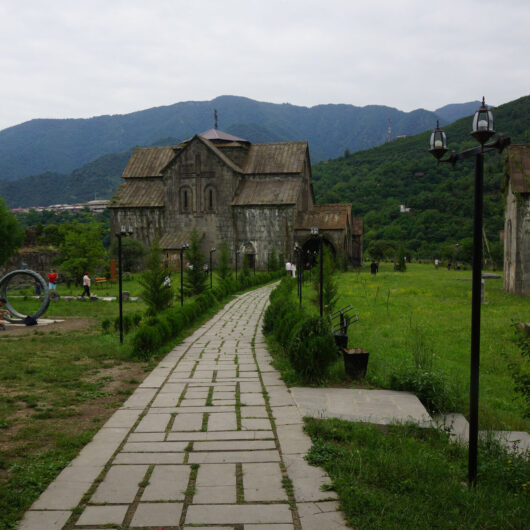
Akhtala monastery and its remediated grounds in Armenia.

Lead Remediation Project in Akhtala, Armenia

The project was implemented in 2015-2018 with financial and organizational support of Pure Earth/Blacksmith Institute by members of the current Armenia EHPMI team.
Project dates: 2015- 2018
Number of people at risk: 2100 residents, including 600 children
Source of pollution: Former copper and silver ore processing and smelting
Project implementers: Blacksmith Armenia
The total cost of program implementation: $150,000, the project was funded by Armenia fund USA, co-funded by European Union, UNIDO and Trust for Mutual Understanding.
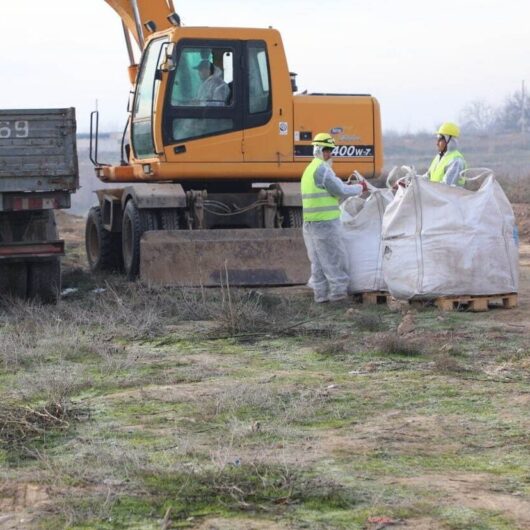
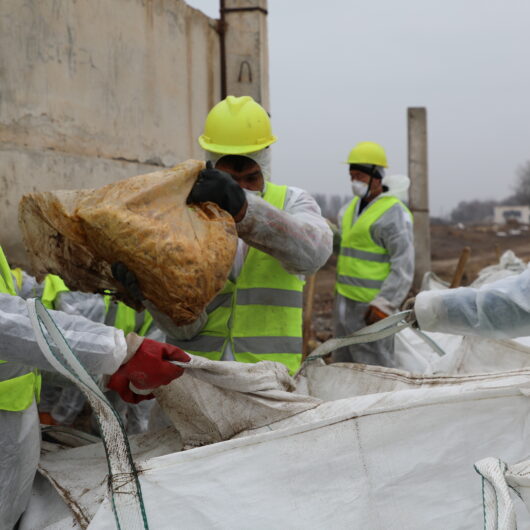
Workers packing contaminated pesticide waste into bulk bags at the Darkat cleanup site.

Cleanup of Obsolete Pesticides Burial in Darkat, Kulyab District, Tajikistan

The project was implemented in 2019-2020 by current EHPMI member CSO Peshsaf with the financial and organizational support of the EU/ Blacksmith Initiative UK and the Environmental Protection Committee under the Government of the Republic of Tajikistan
Project dates: 
2019-2020
Number of people at risk: 1,000 residents
Source of pollution: Burial of obsolete pesticides, DDT
Project implementers: NGO “Peshsaf”, Environmental Protection Committee
Total cost: $16,000, the project was funded by European Commission, the assessment was co-funded by USAID and some travel costs were covered by Trust for Mutual Understanding.
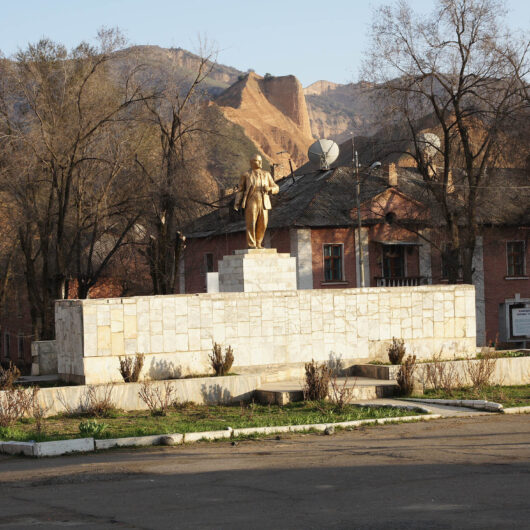
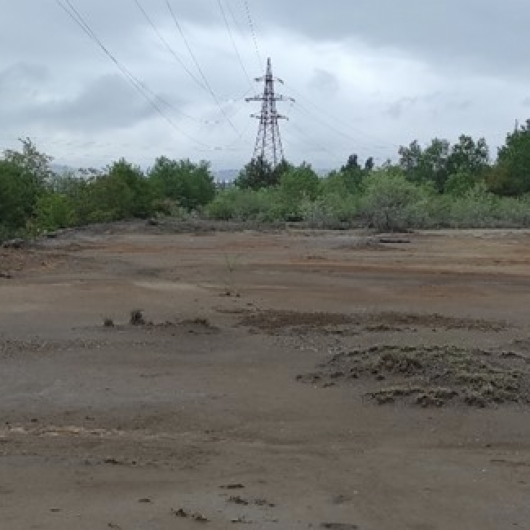
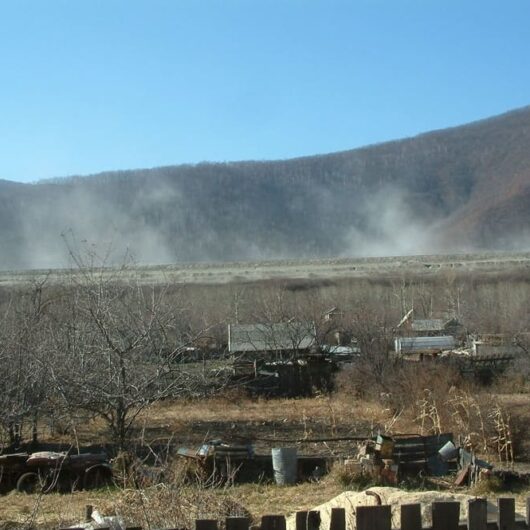
Contaminated tailings landscape in the Rudnaya River Valley.

Reducing Lead and Cadmium Health Risks in Rudnaya River Valley, Primorye, Russia

The project was implemented in 2007-2010 with financial and organizational support of Blacksmith Institute and Terragraphics.
Project dates: 2007-2010
Number of people at risk: 40,000
Source of pollution/pollutants:  Mining and smelting; lead, cadmium, arsenic
Project implementers: Far Eastern Environmental Health Fund (FEHF) in cooperation with Terragraphics Environmental Engineering 
Total cost: $500,000, the project was funded by Green Cross Switzerland.

Cleanup of Obsolete Pesticides Burial in Ziraki, Kulyab District, Tajikistan

Cleanup of Obsolete Pesticides Burial in Ziraki, Kulyab District, Tajikistan

The project was implemented in 2019-2020 by current EHPMI member CSO Peshsaf with the financial and organizational support of the EU/ Blacksmith Initiative UK and the Environmental Protection Committee under the Government of the Republic of Tajikistan
Project dates: 
2019-2020
Number of people at risk: 1,000 residents
Source of pollution: Burial of obsolete pesticides, DDT
Project implementers: NGO “Peshsaf”, Environmental Protection Committee
Total cost: $16,000 the project was funded by European Commission, the assessment was co-funded by USAID and some travel costs were covered by Trust for Mutual Understanding.
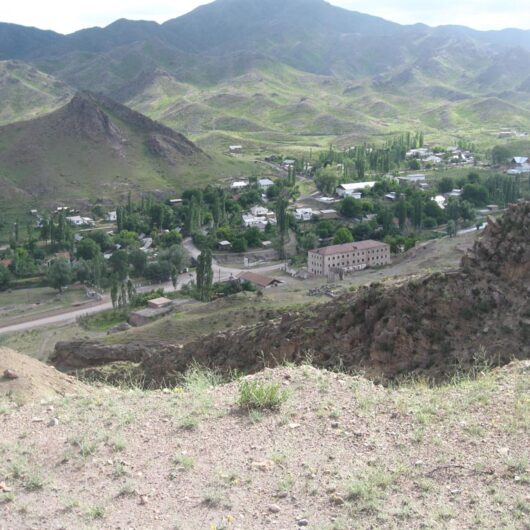
Cleanup of Obsolete Pesticides Burial in Sangoba, Kubodiyon District, Tajikistan

Cleanup of Obsolete Pesticides Burial in Sangoba, Kubodiyon District, Tajikistan

The project was implemented in 2019-2020 by current EHPMI member CSO Peshsaf with the financial and organizational support of the EU/ Blacksmith Initiative UK and the Environmental Protection Committee under the Government of the Republic of Tajikistan
Project dates: 
2019-2020
Number of people at risk: 1,000 residents
Source of pollution: Burial of obsolete pesticides, DDT
Project implementers: NGO “Peshsaf”, Environmental Protection Committee
Total cost: $14,000 the project was funded by European Commission, the assessment was co-funded by USAID and some travel costs were covered by Trust for Mutual Understanding.
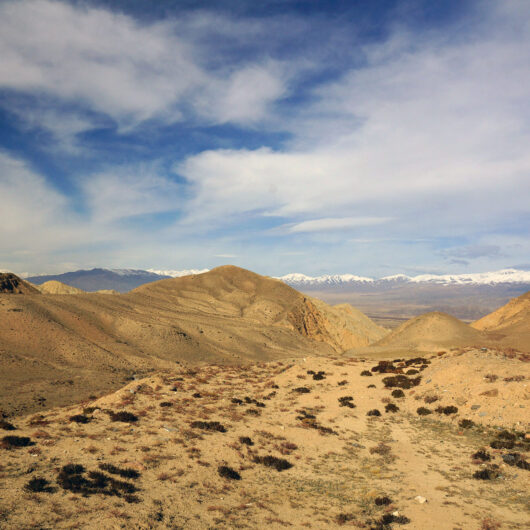
Cleared contaminated riverside area in Kutaisi after remediation.

Riverside Cleanup and Park Creation in Kutaisi

Project term: 3 years
Number of residents at risk: 50,000
Source of pollution/contaminants: Former chemicals manufacturing factory, Pb, As, Hg
Project implementer: EHPMI
Total cost: $30,000 initial stage; $300,000 cleanup and area improvement

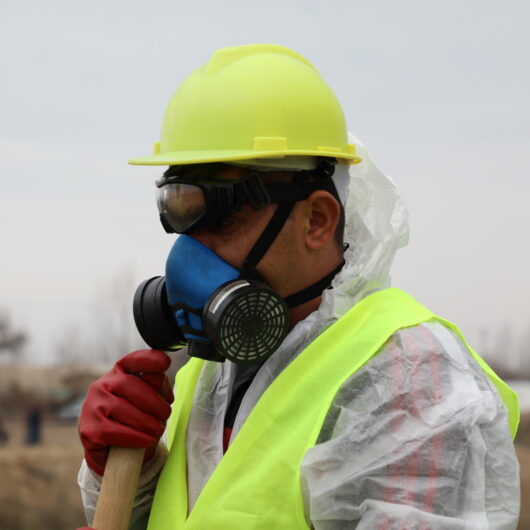
Worker wearing protective equipment during the Sherobod cleanup.

Cleanup of Obsolete Pesticides Burial in Sherobod, Jami District, Khatlon Region, Tajikistan

The project was implemented in 2019-2020 by current EHPMI member CSO Peshsaf with the financial and organizational support of the EU/ Blacksmith Initiative UK and the Environmental Protection Committee under the Government of the Republic of Tajikistan
Project dates:
2019-2020
Number of people at risk: 1,000 residents
Source of pollution: Burial of obsolete pesticides, DDT
Project implementers: NGO "Peshsaf", Environmental Protection Committee
Total cost: $50,000, the project was funded by European Commission, the assessment was co-funded by USAID and some travel costs were covered by Trust for Mutual Understanding.
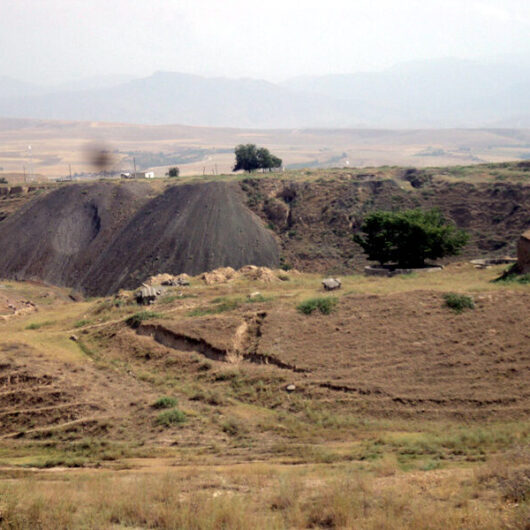
View of Sumsar town and the surrounding mountains.

Remediation of tailings in Sumsar, Kyrgyzstan

Project term: 1 year
Number of people at risk: 2,800
Source of pollution/contaminants: Mining wastes/Pb, Cd, As, 
Implementer: EHPMI, Ekois-Bishkek, Ministry of Natural Resources, Ecology and Technical Supervision, Ministry of Emergency Situations
Projected costs: $50,000 

Mountain landscape around the obsolete-pesticide burial site in Kochkor.

Safeguarding Kochkor Burial Site of Obsolete Pesticides, Kyrgyzstan

Project duration: 2 years 
Source of contamination/contaminants: Burial of obsolete pesticides/DDT
Estimated cost: 100,000 USD
Implementers: EHPMI, Ekois in partnership with local Administration of Kochkor District and the Ministry of Natural Resources, Environment, and Technical Supervision

Mercury-contaminated irrigation channel remediation site in Naiman, Kyrgyzstan.

Remediation of the irrigation channel contaminated with mercury in Naiman, Kyrgyzstan

The project was implemented in June 2017 with financial and organizational
support of Pure Earth/Blacksmith Institute by members of the current Kyrgyzstan EHPMI team.
Project dates:
June 2017
Number of people at risk: 1000 residents
Source of pollution: Mercury in an irrigation channel
Project implementers: Civil Society Association “Ekois Bishkek”
The total cost of program implementation: $10,000, the project was funded by UNIDO, European Commission